How To Maintain Outdoor Comfort During Long Trips
Finest Waterproof Coatings for Canvas Tents
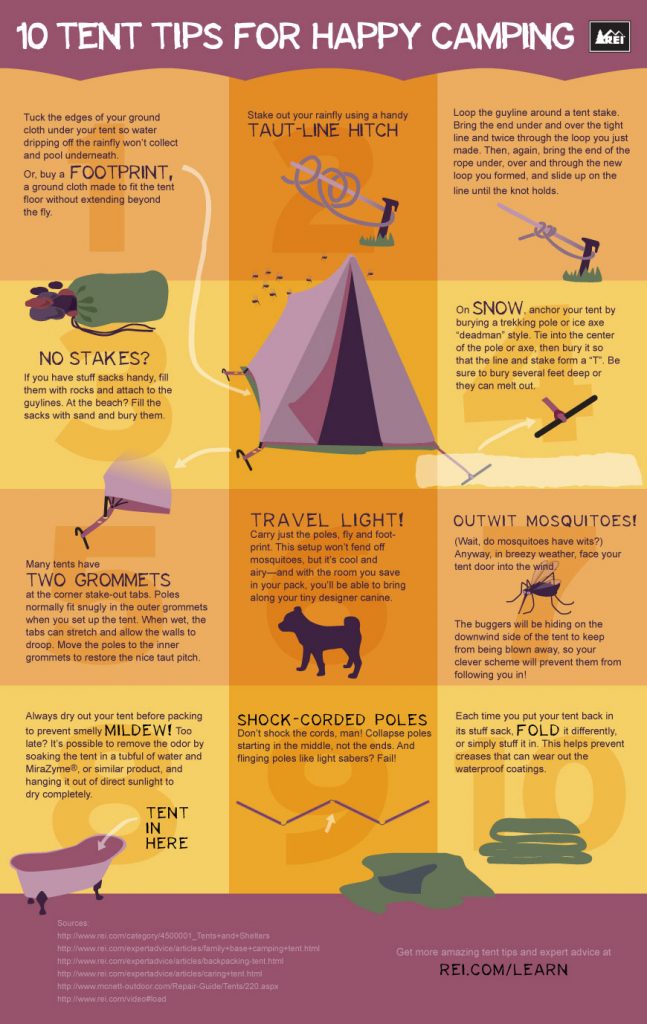
Canvas outdoors tents have been the sanctuary of choice for campers, seekers, and outside fanatics for generations. Long lasting, breathable, and built to last, they outshine synthetic choices in numerous problems. But also the sturdiest canvas sheds its water resistance in time. Whether you're planning for a new period or reviving an old camping tent, using the best water-proof covering can suggest the difference in between a dry, comfortable evening and a soggy, miserable one.
Below's an extensive overview to the best water resistant coatings for canvas camping tents and just how to choose the best one for your demands.
Why Canvas Tents Need Waterproofing
Canvas is a natural textile, and while it has an impressive capability to swell and tighten up when wet-- creating a level of all-natural water resistance-- it is not inherently waterproof. With duplicated exposure to rainfall, UV rays, and basic wear, even factory-treated canvas will at some point enable moisture to permeate via. Routine waterproofing not only keeps you dry however likewise avoids mold, mold, and fabric rot, substantially prolonging the life of your outdoor tents.
Sorts Of Waterproof Coatings
Silicone-Based Waterproofing
Silicone sprays and treatments are among the most prominent options for canvas camping tents. They penetrate the material fibers and develop a versatile, hydrophobic obstacle that creates water to bead and roll off. Silicone coverings are recognized for their long-lasting security, UV resistance, and capacity to preserve the breathability of canvas. Products like Equipment Help Joint Hold and numerous silicone-based aerosol sprays are widely utilized and very easy to use. The major drawback is that silicone can make the canvas much less receptive to future therapies and may impact paint or adhesives used out of commission.
Wax-Based Waterproofing
Wax treatments, specifically those using beeswax or paraffin blends, have actually been used on canvas for centuries. Brand Names like Otter Wax and Fjällräven Greenland Wax deal solid or paste solutions that are rubbed straight onto the fabric and after that activated with warm-- commonly utilizing a warmth gun or hair clothes dryer. Wax treatments are extremely effective, eco-friendly, and improve the all-natural look of canvas. They do include some weight to the camping tent textile and may need even more effort to use evenly, however they provide exceptional long life and are easy to re-apply in the field.
Fluoropolymer (DWR) Coatings
Sturdy Water Repellent (DWR) treatments made from fluoropolymers supply a light but efficient waterproofing layer. These are usually discovered in spray or wash-in solutions from brand names like Nikwax and Grangers. They restore the water-repelling surface of the canvas without changing breathability or appearance. While highly efficient when fresh, fluoropolymer finishes tend to diminish more quickly than silicone or wax and might need reapplication after a number of periods of heavy use. It's also worth keeping in mind that some older fluoropolymer chemistries have increased ecological issues, so seek PFAS-free solutions.
Acrylic-Based Waterproofing
Polymer waterproofing sprays develop a surface covering over the canvas rather than penetrating the fibers. They're inexpensive and very easy to discover, and they work well for light to moderate rainfall direct exposure. Nonetheless, they can minimize the breathability of the canvas, potentially bring about condensation build-up inside the outdoor tents. Polymer treatments are best suited for occasional campers or as a short-term fix rather than a long-term service.
Tips for Applying Water-proof Coatings
Tidy the Canvas First
Prior to using any therapy, sweep aside dirt and debris and allow the canvas to dry fully. Residue and moisture will certainly avoid the finishing from bonding effectively to the textile.
Period New Canvas Prior To Finishing
New canvas outdoors tents need to be "skilled" first-- established and completely soaked with water 2 or 3 times. This enables the fibers to swell and close up normally, after which a water resistant treatment will certainly supply better, longer-lasting results.
Apply in Dry, Mild Climate
Prevent using coverings in cool, damp, or direct sunlight problems. Moderate, completely dry weather condition guarantees also absorption and appropriate healing cot bed of the product.
Last Ideas
Choosing the ideal waterproof coating depends upon how usually you camp, the conditions you encounter, and how much upkeep you want to do. For heavy-duty, all-season usage, wax-based or silicone treatments use the most toughness. For casual campers, a top quality DWR spray may be all that's required. Whatever you choose, constant maintenance is the essential to maintaining your canvas camping tent completely dry, tough, and ready for each journey ahead.